


tq777 | The Thrilling World of Strategy Games: Delve Into the Dynamics of Tactical Mastery
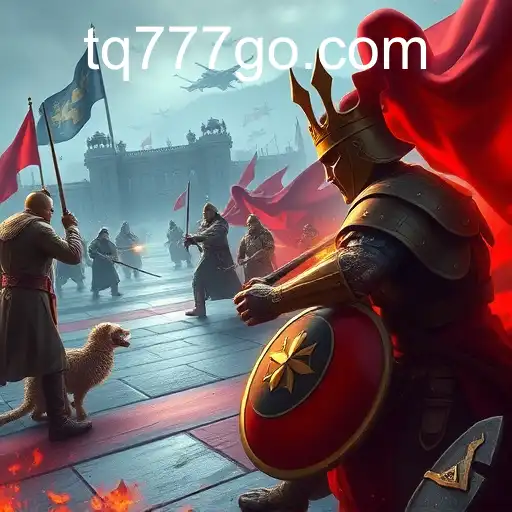
Strategy games have long been a staple of the gaming world, engaging players with their rich, complex mechanics and challenging them to hone their tactical prowess. Whether they are managing vast empires, commanding armies on a battlefield, or building cities from the ground up, these games require players to think ahead, anticipate the moves of their opponents, and adapt to changing circumstances. At the heart of every great strategy game lies the art of decision-making, a process that is as engaging as it is rewarding.
Among the diverse array of strategy games, some of the most popular categories include real-time strategy (RTS), turn-based strategy (TBS), and strategy board games. Each sub-genre offers its own unique approach to strategy, requiring different skills and thought processes. For instance, RTS games, like the legendary 'StarCraft,' demand quick thinking and efficient management of resources, while TBS games, such as 'Civilization,' give players the luxury of time to ponder over every possible move and outcome.
The evolution of strategy games has been phenomenal, with constant advancements in technology paving the way for increasingly sophisticated game mechanics and scenarios. The rise of artificial intelligence within games adds another layer of depth, as players are now challenged by virtual opponents that can adapt and strategize in novel ways.
Moreover, the multiplayer aspect of strategy games has brought a sense of community and competition that is unmatched. Online platforms allow players from across the globe to test their skills against one another, cultivating a vibrant community of strategists who exchange tips, strategies, and insights.
Strategy games have also significantly impacted other game genres, with elements of strategic planning and resource management making their way into role-playing games and simulation games. This cross-pollination of ideas continues to drive innovation in game development.
In conclusion, strategy games offer players an intellectual playground, where every decision counts and every move has the potential to alter the course of the game. They are not just about entertainment; they are about developing skills that transcend the virtual world. Whether you're a seasoned strategist or a newcomer to the genre, there is always something new to learn and explore. As technology continues to evolve, one can only wonder what the future holds for this dynamic and exciting category of games.
